
"Automated production"
300 article(s) found

Bahia, Brazil| Bahia's three major coffee producing regions
Bahia, Brazil's fifth-largest state, is located in the northeast of the country, 1000 kilometers from the coast, with a high altitude and warm climate. Most of the coffee we buy from Bahia comes from Chapada Diamantina. Farms in the region vary in size-from small family-run farms to sprawling estates with coffee of 1000 hectares or more. Bahia has three.

Drink the 10 most expensive coffees in the world
Coffee has always been one of people's favorite drinks, and it has given birth to many varieties of coffee with high quality and taste, so the price is also relatively expensive. Coffee lovers come with us to find out which of the ten most expensive coffees in the world! 1 Musk Kopi Luwak (Indonesia) Musk Kopi Luwak (Indonesia) $160 per pound Musk Kopi Luwak, often known as Coffee masked palm civet, it is this world

Headlines! Coca-Cola will buy Costa for US $5.1 billion, and a final agreement has been reached.
Professional Coffee knowledge Exchange more coffee bean information follow Coffee Workshop (Wechat official account cafe_style) on Aug. 31, global beverage giant Coca-Cola Company announced a final agreement with British coffee chain Costa that Coca-Cola will buy Costa from Costa parent company Whitbread PLC for $5.1 billion.

The ten most expensive coffees can never be tasted, but it's important to know
Coffee has always been one of people's favorite drinks, and it has also given birth to many varieties of coffee with high quality and taste, so the price is also relatively expensive. Coffee lovers come with us to learn about the top ten most expensive coffee in the world! 1. Musk Kopi Luwak (Indonesia) $160 per pound Musk Kopi Luwak, commonly known as masked palm civet Coffee, it is this

A brief introduction to the market price of balanced and supple Brazilian boutique coffee beans
There are many large farms in Brazil, which run endless coffee plantations. They use machines to harvest and dry them. They are so efficient in automation that they regard coffee as a general agricultural material and completely abandon the flavor and flavor. As a result, many select coffee companies simply do not sell Brazilian beans so as not to demean themselves. In select coffee shops, Santos in Brazil still appears occasionally.

The basic altitude of coffee planting technology is the most suitable for planting.
Coffee planting technology the origin of coffee trees is in Ethiopia, Africa. In botany, coffee trees belong to the evergreen trees of the subgenus Rubiaceae, and coffee beans, commonly known as coffee beans, are the seeds of the fruit of coffee trees, just because they are shaped like beans, so they are called coffee beans. Climate is the decisive factor for coffee cultivation. Coffee trees are only suitable for growing in the tropics or subtropics.

The fruit of coffee tree is picked. Introduction to the process of how to make coffee.
In the washing type, the harvested fruit is poured into the sink, the floating matter is removed, the fruit in the water is moved to the pulp removal machine, the outer skin and pulp are removed, and then put back into the tank to remove the floating matter, the core in the water is poured into the fermentation tank, soaked for half a day or one day, the colloid on the surface of fermented beans is removed, washed, dried or mechanically dried, and the endocarp is removed on the sheller to form commercial raw coffee beans.

How does the robot make coffee? is it reliable for the robot to make coffee? introduction to CES Asia Exhibition
How does a robot make coffee? is it reliable for a robot to make coffee? when you are still wondering when robots will enter our lives, this robot that can make coffee can definitely give you the answer. In this CES Asia exhibition, smart devices occupy most of the exhibition area, including some robot-related projects. When you're still wondering where the robot is.

Honey snow ice city set up nine companies a year. How did it develop? why did it suddenly become popular?
Everyone's impression of the snow ice city is estimated to stay in "you love me, I love you, the snow ice city sweet honey". At the moment, you are still thinking about its sweet side, but you never know that Honey Snow Ice City has set up nine companies a year. According to a report by the Beijing News on September 16, according to enterprise investigations, as of today, Honey Snow Ice City has invested in the establishment of Chongqing Snow King Agriculture.

Introduction to the making method of Technical Video course of Milk Bubble
First, the production of milk foam 1, pour the milk into the milk bubble pot, the amount should not exceed the milk bubble pot 1 big 2, otherwise the milk will overflow due to expansion when making the milk bubble. 2. Heat the milk to about 60 degrees, but not more than 70 degrees, otherwise the protein structure in the milk will be destroyed. Be careful! The lid and strainer cannot be heated directly. (for example, if you make ice foam, put the milk
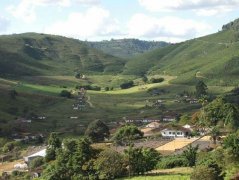
How to grow Coffee quality will be better Coffee planting Micro-environment introduction
How to grow coffee quality will be better coffee planting microenvironment introduces the origin of coffee trees in Ethiopia, Africa. In botany, coffee trees belong to the evergreen trees of the subgenus Rubiaceae, and coffee beans, commonly known as coffee beans, are the seeds of the fruit of coffee trees, just because they are shaped like beans, so they are called coffee beans. Climate is the decision of coffee cultivation.

Introduction of the whole process from coffee tree to fruiting
One of the characteristics of a coffee tree is that its fruit can bear fruit several times a year, and another is that flowers and fruits (also known as cherries) coexist at different stages of ripening. The whole coffee harvest is swayed by the vagaries of nature. If the fruit is too ripe, the beans in it will rot. If it is not ripe enough, the beans picked will not ripen by themselves. So bean pickers have to go through

The world's ten most expensive coffee inventory, the most expensive coffee, the world's ten most expensive coffee.
Coffee has always been one of people's favorite drinks, and it has also given birth to many varieties of coffee with high quality and taste, so the price is also relatively expensive. Coffee lovers come with us to learn about the top ten most expensive coffee in the world! 1. Musk Kopi Luwak (Indonesia) $160 per pound Musk Kopi Luwak, commonly known as masked palm civet Coffee, it is the beginning of this world

Introduction of the best brands of the top ten coffee in the world
Professional coffee knowledge exchange more coffee bean information please follow the coffee workshop (Wechat official account cafe_style) the best coffee in the world do you think this is it? 1. Musk Kopi Luwak (Indonesia) $160 per pound Musk Kopi Luwak, commonly known as masked palm civet Coffee, is at the top of the list of the 10 most expensive coffee in the world. Not only

How to grow coffee beans? coffee beans are suitable for growing coffee under good conditions.
Professional coffee knowledge exchange more coffee bean information please pay attention to the coffee workshop (Wechat official account cafe_style) front street-coffee planting conditions the ideal planting conditions for coffee trees are: the temperature between 15-25 ℃ temperature climate, and the annual rainfall must reach 1500 to 2000mm, at the same time the rainfall time, to be able to match the flowering cycle of the coffee tree. Except, of course,

The aroma is full-bodied and mellow, revealing the world's most expensive coffee Kopi Luwak, Panama St. Helena.
Coffee has always been one of people's favorite drinks, and it has also given birth to many varieties of coffee with high quality and taste, so the price is also relatively expensive. Coffee lovers come with us to learn about the top ten most expensive coffee in the world! 1. Musk Kopi Luwak (Indonesia) $160 per pound Musk Kopi Luwak, commonly known as masked palm civet Coffee, it is the beginning of this world

Analysis of the process from coffee tree planting to coffee bean harvest
Coffee trees take 3-5 years from planting to fruiting. 6-10 years of coffee trees are the most likely to bear fruit, about 15-20 years, is the harvest period. Coffee trees are usually bred in nurseries and grow into saplings, and then moved to coffee farms a year later, in full compliance with the way the Arabs planted and cultivated coffee trees. Coffee trees will continue to take root downward and upward in the first four or five years of their growth.
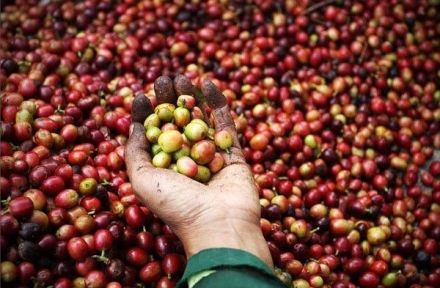
From the planting of coffee trees to the harvest of coffee beans
Coffee trees take 3-5 years from planting to fruiting. 6-10 years of coffee trees are the most likely to bear fruit, about 15-20 years, is the harvest period. Coffee trees are usually bred in nurseries and grow into saplings, and then moved to coffee farms a year later, in full compliance with the way the Arabs planted and cultivated coffee trees. Coffee trees will continue to take root downward and upward in the first four or five years of their growth.
It takes 3-5 years from coffee tree planting to coffee bean harvest.
Coffee trees take 3-5 years from planting to fruiting. 6-10 years of coffee trees are the most likely to bear fruit, about 15-20 years, is the harvest period. Coffee trees are usually bred in nurseries and grow into saplings, and then moved to coffee farms a year later, in full compliance with the way the Arabs planted and cultivated coffee trees. Coffee trees will continue to take root downward and upward in the first four or five years of their growth.
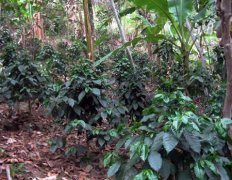
Coffee trees take 3-5 years from planting to fruiting.
Coffee trees take 3-5 years from planting to fruiting. 6-10 years of coffee trees are the most likely to bear fruit, about 15-20 years, is the harvest period. Coffee trees are usually bred in nurseries and grow into saplings, and then moved to coffee farms a year later, in full compliance with the way the Arabs planted and cultivated coffee trees. Coffee trees will continue to take root downward and upward in the first four or five years of their growth.